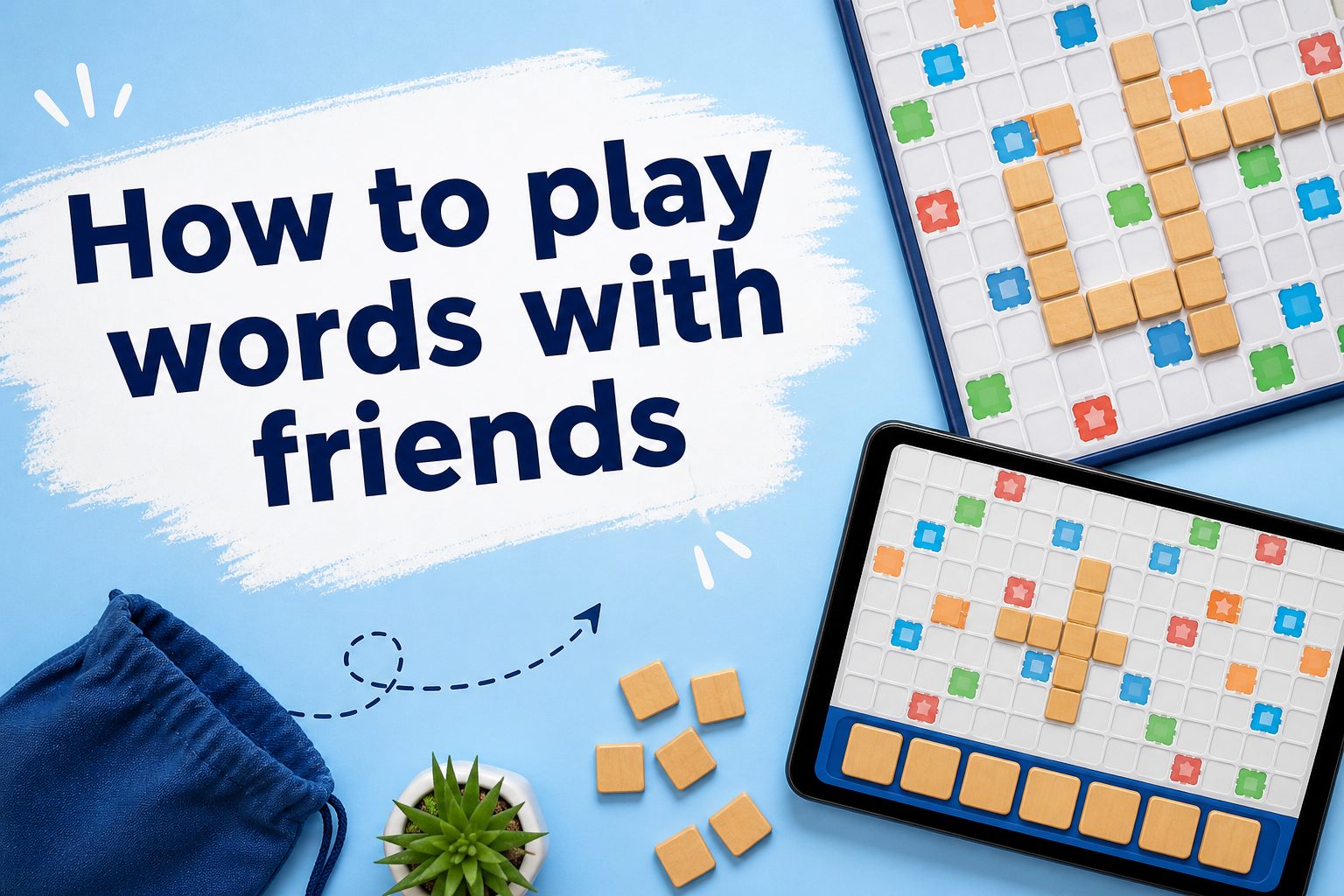
If you want to learn how to play words with friends, the good news is that the game is easy to start and surprisingly deep once you learn the scoring rules. Words With Friends is a turn-based word game where two players build words on a shared board using letter tiles. The goal is simple: score more points than your opponent before the game ends. You do that by placing valid words, using bonus squares wisely, managing your seven-tile rack, and thinking ahead instead of only playing the first word you see. This guide explains the rules, setup, scoring, strategy, common mistakes, examples, and practical tips in plain English. Whether you are playing your first match or trying to stop losing close games, you will learn how the board works, how to make stronger moves, and how to enjoy the game without feeling overwhelmed.
What Words With Friends Is
Words With Friends is a digital word board game built around turn-based play. Each player creates words from letter tiles, connects them to words already on the board, and earns points based on tile values and premium squares.
1. A Turn-Based Word Game
Instead of both players moving at the same time, Words With Friends lets players take turns. You can play a move, close the app, and return later when your opponent responds. This makes the game flexible for busy people who enjoy word puzzles but cannot sit through a long live match.
2. A Crossword-Style Board
The board works like a crossword grid because every new word must connect to existing letters after the opening move. Words can run horizontally or vertically, and each placed tile must create legal words wherever it touches other letters. This makes placement just as important as vocabulary.
3. A Game Of Points
Winning is not only about playing long words. Every letter has a point value, and premium squares can double or triple letters and words. A short word placed on the right bonus square can beat a longer word placed in a weak position, so scoring awareness matters.
4. A Social Puzzle Experience
The game is popular because it combines vocabulary, strategy, and friendly competition. You can play with friends, family, or matched opponents. Many people enjoy it because it feels casual, but each turn still gives you a small strategic puzzle to solve.
5. A Vocabulary Builder
Playing regularly exposes you to unusual short words, prefixes, suffix-like patterns, and letter combinations. You do not need to know every word before you start. Over time, you will naturally remember useful two-letter and three-letter words that help you score better.
6. A Strategy Game
Good players think about more than their current score. They also consider what spaces they open, what tiles they keep, and what their opponent might do next. This balance between word knowledge and board control is what makes Words With Friends replayable.
How To Start A Words With Friends Game
Starting a game is simple, but knowing the early options helps you avoid confusion. The exact screen layout may vary by app version, but the basic process stays the same.
- Install Or Open The Game: Open Words With Friends on your phone, tablet, or supported browser version.
- Create Or Sign In To An Account: Use the sign-in option available to you so your games and progress can be saved.
- Choose An Opponent: Start a match with a friend, contact, random opponent, or suggested player.
- Review Your Tile Rack: Look at the seven letters you receive before making your first move.
- Place The First Word: The opening word must cover the center star square on the board.
- Submit Your Move: Check that the word is valid, review the score, and play the move.
- Wait For The Response: Your opponent takes the next turn, and the game continues back and forth.
- Keep Playing Until The End: Continue forming words until the tile bag runs out and final scoring is applied.
Words With Friends Board Basics
The board is where most of the strategy happens. Learning how tiles connect, how premium squares work, and how board space changes after each move will quickly improve your results.
. The Center Star Starts The Game
The first word must include the center star. This opening square acts as the starting point for the whole match and usually gives the first player a useful scoring opportunity. A strong opening move uses decent tile value without giving away an easy premium square.
. New Words Must Connect
After the first turn, every new word must connect to at least one tile already on the board. You can extend an existing word, cross through it, or build beside it. The important rule is that all touching letters must form valid words.
. Words Run In One Direction
Tiles played during a turn must usually be placed in a single horizontal or vertical line. You cannot scatter letters around the board in separate places. However, one move can create several words at once when the new tiles touch nearby letters.
. Bonus Squares Change Scores
Premium squares include double letter, triple letter, double word, and triple word spaces. These bonuses apply when a tile is first placed on that square. Learning where these squares are helps you plan higher-scoring moves and avoid giving your opponent an easy opening.
. Used Bonus Squares Do Not Repeat
Once a tile has been placed on a bonus square, that square no longer gives a bonus on later turns. The letter still counts in future words, but the premium effect is gone. This is why timing matters when using valuable board spaces.
. Side Words Can Add Big Points
A strong play often creates a main word and several smaller side words at the same time. These side words are scored separately and added together. Short connectors like two-letter words become powerful because they let one move score in multiple directions.
Words With Friends Scoring Rules
Scoring is the part of the game that turns ordinary word building into strategy. Once you know how points are calculated, you can make smarter decisions on almost every turn.
Add The Letter Values
Every tile has a printed point value. Common letters usually score fewer points, while harder letters score more. When you form a word, the game adds the value of every letter in that word, including letters already on the board.
Apply Letter Bonuses First
Double letter and triple letter spaces multiply the value of the tile placed on them during that turn. These bonuses are especially useful with high-value letters. Placing a strong tile on a triple letter square can turn a small word into a serious score.
Apply Word Bonuses Afterward
Double word and triple word squares multiply the total value of the word after letter bonuses are counted. If you can combine a strong letter bonus with a word bonus, the move can become much more valuable than it first appears.
Score Every New Word
If your move creates more than one word, each new word scores. This is why parallel plays can be so effective. Even if the main word is modest, the extra cross words can add enough points to make the turn worthwhile.
Use All Seven Tiles For A Bonus
Playing all seven tiles from your rack in one turn earns a large bonus. This is often called a bingo in word games. It takes planning, but saving flexible letters and watching board openings can help you find these high-value plays.
Final Tiles Affect The Score
When the game ends because one player uses all remaining tiles and the tile bag is empty, leftover tiles matter. The player stuck with tiles loses their remaining tile value, and that value is awarded to the player who went out.
Best Words With Friends Opening Moves
Your first move shapes the board and sets the tone for the match. A smart opening does not need to be spectacular, but it should score reasonably and avoid giving away too much.
Aim for a balanced first play. If you can place five or six letters while keeping useful tiles, that is usually better than forcing a low-value long word that leaves your rack awkward.
Try to use medium-value letters early when they fit naturally. Letters worth more points can create strong openings, especially when placed on premium squares, but do not waste them for a tiny score if a better setup is available.
Think about what your move gives your opponent. Opening a direct path to a triple word square can be dangerous unless your score is strong enough to justify the risk.
Do not ignore rack balance. Keeping only vowels or only consonants after your first turn can make the next move difficult. A slightly lower score may be smarter if it leaves flexible letters behind.
The best opening move is one that scores, keeps options open, and limits your opponent’s easiest reply. This mindset will help you play more consistently from the very beginning.
Key Words With Friends Strategy Factors
Strong play depends on several small decisions adding up over time. These factors help you judge whether a move is actually good, not just whether it creates a valid word.
- Score Potential: Compare the points you earn now with what you might earn by saving stronger tiles for a better space.
- Board Control: Avoid opening premium squares unless your move scores well or creates defensive pressure.
- Rack Balance: Keep a mix of vowels and consonants so your next turn has more options.
- Word Flexibility: Learn short words because they help you connect, block, and score in tight areas.
- Opponent Opportunity: Look at the spaces your move creates before submitting it, especially near word multipliers.
- Endgame Timing: Near the end, tile values left on racks can decide close games, so plan exits carefully.
Common Words With Friends Mistakes To Avoid
Most beginner mistakes come from focusing only on making a word instead of considering score, placement, rack health, and opponent access. Avoiding these habits can improve your game quickly.
. Playing The Longest Word Every Time
A long word is not always the best move. If it uses valuable letters for a small score or opens a triple word space, it may hurt you later. Always compare the score, board position, and remaining rack before choosing the longest option.
. Ignoring Two-Letter Words
Two-letter words are essential in Words With Friends because they let you build parallel plays and squeeze points from crowded boards. Beginners often overlook them because they seem too small, but experienced players use them constantly to connect tiles and score multiple words.
. Opening Premium Squares Carelessly
Leaving an easy triple word lane for your opponent can swing the game fast. Before submitting a move, look one turn ahead. If your word creates a simple high-scoring spot, consider a different placement or a defensive move that closes the lane.
. Holding Bad Tiles Too Long
Keeping awkward letters for many turns can slow your whole game. Sometimes swapping tiles or playing a low-scoring cleanup move is better than waiting for a perfect opportunity. A healthier rack often leads to stronger scores over the next few turns.
. Forgetting About Side Words
Many players focus only on the main word they are placing. Side words can add significant points and are often the difference between an average move and a strong one. Always check whether your tiles can touch existing letters in more than one direction.
. Passing Without A Plan
Passing may be useful in rare situations, but it gives up a chance to score or improve your rack. Before passing, look for small legal words, defensive blocks, or tile swaps. A pass should be a decision, not a reaction to frustration.
Best Practices For Playing Words With Friends
Once you know the rules, better results come from repeatable habits. These best practices help you make clearer decisions and stay competitive throughout the match.
Check More Than One Move
Do not submit the first valid word you notice. Spend a little time testing different placements, especially near bonus squares. Comparing two or three options helps you see whether a lower-looking word actually scores more because of side words or premium spaces.
Keep Your Rack Balanced
A good rack usually has both vowels and consonants. If you finish a turn with six consonants or six vowels, your next move may be limited. Try to play tiles that leave useful combinations, even if that means taking a slightly smaller score.
Learn Common Short Words
Short words are the foundation of advanced play. They let you attach tiles in tight spaces, create multiple words, and block dangerous lanes. Start with common two-letter words, then gradually learn three-letter words that use high-value letters.
Use Premium Squares With Purpose
Premium squares should guide your planning. A triple letter square is excellent for a high-value tile, while a double or triple word square can multiply a carefully built word. Try to use these spaces when they improve your score without exposing a better reply.
Watch The Endgame Early
As the tile bag gets low, every remaining tile becomes more important. Avoid getting stuck with high-value letters you cannot play. Track open spaces, save flexible letters, and look for ways to finish before your opponent controls the final board position.
Review Strong Moves Afterward
Learning continues after each turn. If the game shows a stronger move you missed, study why it worked. You may notice a bonus square, side word, or short word pattern that you can use in future matches without relying only on memory.
Examples Of Words With Friends Moves
Examples make the rules easier to apply. These common move types show how scoring and placement work together during a real match.
. A Simple Opening Word
If your rack contains letters that form a clean five-letter word, placing it through the center can be a solid start. The goal is not only to score points, but also to leave a balanced rack and avoid creating an easy premium lane.
. A High-Value Letter Play
Suppose you have a valuable tile and can place it on a triple letter square while forming a valid word. Even a short word can score well in this situation. The best version also avoids giving your opponent an obvious word multiplier response.
. A Parallel Word Move
Parallel moves happen when you place tiles beside an existing word and create several small cross words. These plays are powerful because each new word scores. They also help you use crowded board areas where long words are no longer available.
. A Defensive Blocking Move
Sometimes the best move is not the highest score available. If your opponent has access to a dangerous triple word area, placing a modest word to block that lane can prevent a major swing. Defensive scoring wins many close games.
. A Seven-Tile Play
Using all seven rack tiles in one move gives a major bonus, so it can change the match quickly. These plays often require flexible letters, open board space, and patience. Do not force one every turn, but always scan for the possibility.
. A Late-Game Exit
Near the end, playing your final tiles can be worth more than a flashy score. If the tile bag is empty, going out may subtract points from your opponent and add them to you. A simple ending move can decide the result.
Advanced Words With Friends Tips
Advanced play is about improving small decisions. Once the basics feel natural, these tips can help you find stronger moves and manage the board with more confidence.
Track Valuable Open Spaces
Scan the board for premium squares before studying your rack. If you know where the best spaces are, you can build words toward them or block them from your opponent. This habit helps you think strategically instead of reacting tile by tile.
Save Flexible Letters
Letters that combine easily with many others are valuable because they keep your rack playable. Common vowels and versatile consonants can help you build longer words later. Do not spend all flexible letters at once unless the score clearly justifies it.
Use Hooks To Extend Words
A hook is a letter added to an existing word to create a new word while also forming another play. For example, adding one letter at the front or back of a word can open scoring options. Hooks are central to efficient board use.
Count Risk Before Big Scores
A high score is exciting, but it can be risky if it gives your opponent an even better reply. Check the squares beside and beyond your word. If you open a premium lane, make sure your move is strong enough to accept that risk.
Use Swaps Strategically
Swapping tiles costs a turn, but it can rescue a bad rack. If you have no useful vowels, no useful consonants, or several difficult letters, a swap may be better than a weak move that leaves the same problem behind.
Think In Two Turns
Before you play, ask what your rack will look like afterward and what board spaces may remain. This two-turn view improves consistency. You may choose a smaller current score because it creates a better next move or prevents an opponent’s easy setup.
Words With Friends For Different Players
People play Words With Friends for different reasons. Knowing your own goal helps you choose the right pace, opponent, and style of play.
1. Casual Players
Casual players can focus on making valid words, learning the board, and enjoying the social side of the game. There is no need to memorize huge word lists immediately. A relaxed approach still builds skill naturally through repetition and friendly competition.
2. Competitive Players
Competitive players should study short words, premium square patterns, and endgame tactics. Small improvements matter because close matches often turn on one blocked triple word square or one missed side word. Reviewing past moves is especially useful for this group.
3. Vocabulary Learners
Words With Friends can support vocabulary growth because it exposes players to new words in context. Looking up definitions after a move helps turn gameplay into learning. The most useful habit is remembering short legal words that appear often during matches.
4. Family Players
Families often enjoy the game because turns can happen at any pace. It works well across distances and schedules. Players can keep the tone friendly by agreeing whether they want casual play, competitive scoring, or teaching moments during the match.
5. Returning Players
If you have not played in a while, start with the basics again: center opening, connected words, bonus squares, and rack balance. The main rules are approachable, but reviewing scoring will help you avoid early mistakes and rebuild confidence quickly.
6. New App Users
New app users should spend time exploring the move preview, dictionary tools, and game prompts. These features help reduce confusion during early matches. Once the interface feels familiar, the strategic part of Words With Friends becomes much easier to enjoy.
Words With Friends Checklist
Use this quick checklist before submitting a move. It helps you catch common scoring opportunities and avoid giving your opponent an easy advantage.
- Word Validity: Make sure the main word and every touching side word are allowed by the game.
- Bonus Squares: Check whether you can use a double letter, triple letter, double word, or triple word space.
- Side Words: Look for ways to create more than one word with the same tile placement.
- Rack Balance: Review the letters you will keep after the move and avoid leaving yourself stuck.
- Opponent Access: Notice whether your play opens a dangerous scoring lane for the next turn.
- Endgame Position: When tiles are low, consider whether your move helps you finish cleanly.
Frequently Asked Questions
Is Words With Friends The Same As Scrabble
Words With Friends is similar to Scrabble because both games use letter tiles, word placement, and premium squares. However, the board layout, tile values, dictionary, app features, and some scoring details are different. If you know Scrabble, you will learn faster, but you should still study the specific rules.
How Do You Win At Words With Friends
You win by finishing with more points than your opponent. The best way to do that is to combine valid words, bonus squares, side words, rack balance, and smart defense. Strong players do not only chase big words; they also control the board and plan ahead.
What Happens If I Use All Seven Tiles
When you use all seven tiles from your rack in one turn, you receive a bonus added to the score for that move. This can create a major point swing. Look for seven-tile opportunities, but do not damage several turns just to force one.
Can I Swap Tiles In Words With Friends
Yes, you can usually use your turn to swap tiles from your rack. Swapping means you will not place a word on that turn, so it should be used carefully. It is most helpful when your rack is badly unbalanced or nearly impossible to play.
Are Short Words Important In Words With Friends
Short words are very important because they help you connect to crowded board areas and create multiple words in one turn. Two-letter and three-letter words may look small, but they often produce strong scores when combined with premium squares or parallel placement.
What Is The Best Beginner Strategy
The best beginner strategy is to slow down and compare several moves before playing. Focus on valid connections, bonus squares, side words, and the letters left on your rack. Learning common short words will improve your results faster than trying to memorize long words first.
Conclusion
Words With Friends is easy to learn once you know the basic flow: place words, connect to the board, use bonus squares, manage your rack, and score more than your opponent. The real skill comes from seeing better placements, creating side words, and avoiding moves that give away easy points.
If you are new, start with simple valid words and build from there. As you improve, focus on short word knowledge, board control, and endgame planning. With steady practice, each turn becomes less about guessing and more about making clear, strategic choices.